
Summer brings longer days, vacations, outdoor adventures, and family fun, but for many pets, it can also bring unfamiliar routines, increased noise, travel, heat, and environmental changes that may contribute to fear, anxiety, and stress (FAS). By planning ahead and making thoughtful adjustments, pet owners can help their pets feel safe, comfortable, and confident all season long.
Whether your summer includes road trips, backyard gatherings, fireworks, or simply more activity around the home, preparation and predictability can make a significant difference for your pet.
Why Summer Can Be Stressful for Pets
Summer often changes a pet’s daily routine. Children may be home from school, visitors may come and go more frequently, and pets may experience new sights, sounds, smells, and handling situations.
Common summer stressors include:
- Fireworks and thunderstorms
- Vacation travel or boarding
- Increased outdoor activity
- Hot weather and uncomfortable temperatures
- Loud gatherings or parties
- Changes in feeding, walking, or sleeping schedules
- Unfamiliar people or pets
- Veterinary visits related to travel, grooming, or seasonal illness prevention
Even positive activities can become overwhelming when too many changes happen at once.
Watch for Signs of Fear, Anxiety, and Stress
Pets do not always show stress in obvious ways. Subtle body language changes are often the first indicators that a pet may be uncomfortable.
Dogs may show:
- Lip licking or yawning when not tired
- Panting unrelated to heat or exercise
- Pacing or restlessness
- Trembling
- Hiding or avoiding interaction
- Excessive barking
- Refusing treats or food
- Dilated pupils or a tense body posture
Cats may show:
- Hiding more frequently
- Reduced appetite
- Increased vocalization
- Overgrooming
- Flattened ears or crouched posture
- Avoiding litter boxes
- Irritability or withdrawal
Recognizing early signs of stress allows pet owners to intervene before a pet becomes overwhelmed.
Keep Routines as Predictable as Possible
Predictability helps pets feel secure. During busy summer months, maintaining consistent routines can reduce uncertainty and support emotional wellbeing.
Try to keep the following as consistent as possible:
- Feeding schedules
- Walk and exercise times
- Rest and sleep routines
- Medication schedules
- Quiet downtime each day
If schedule changes are unavoidable, gradual adjustments are often easier for pets than sudden changes.
Create Safe Retreat Spaces
Every pet benefits from having a quiet place to retreat when activity levels increase.
A safe space may include:
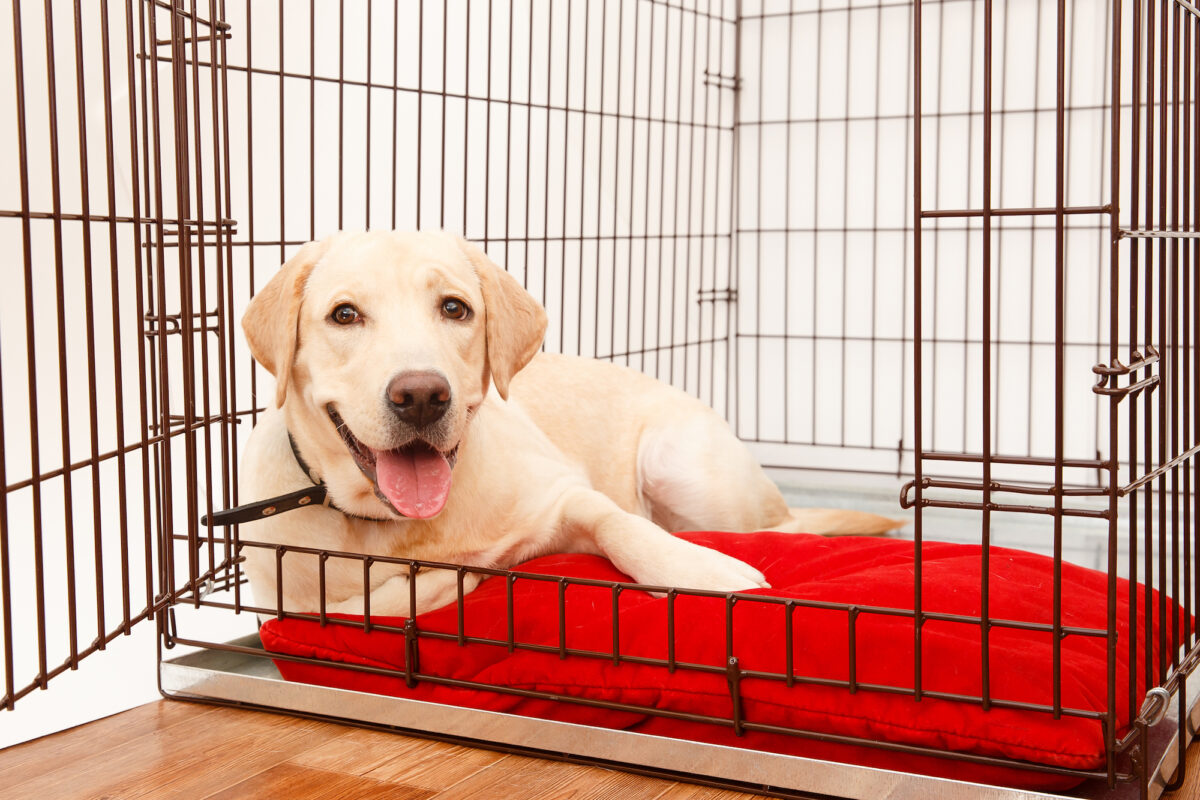
- A crate or carrier left open and accessible
- A quiet bedroom or covered area
- Familiar bedding and favorite toys
- White noise or calming music
- Dim lighting and minimal foot traffic
Allow pets to choose when they enter or leave these spaces. Avoid forcing interaction when they are resting or seeking distance.
Prepare Gradually for Summer Activities
Travel and Car Rides
If your pet only rides in the car for veterinary visits, summer travel may feel especially stressful.
Help pets build positive associations by:
- Taking short, low-pressure practice rides
- Offering treats or enrichment during travel
- Using secure carriers or restraints
- Bringing familiar blankets or toys
- Allowing breaks during longer trips
Visitors and Gatherings
Not all pets enjoy social events. Large gatherings can be noisy and unpredictable.
Consider:
- Giving pets breaks away from guests
- Avoiding forced interactions
- Supervising children around pets
- Providing enrichment in a quiet room
- Using baby gates or barriers if needed
Grooming and Handling
Summer grooming, nail trims, and bathing may increase during warmer months.
To help pets feel more comfortable:
- Pair handling with treats and praise
- Work in short sessions
- Allow choice and breaks
- Practice cooperative care behaviors at home
- Watch for signs that your pet needs a pause
Support Comfort During Heat and Outdoor Activity
Heat can contribute to discomfort and irritability, especially in brachycephalic pets, seniors, young animals, and pets with medical conditions.
Help pets stay comfortable by:
- Walking during cooler parts of the day
- Providing constant access to water
- Offering shaded rest areas
- Avoiding hot pavement
- Limiting strenuous exercise during extreme temperatures
- Using cooling mats or fans when appropriate
If your pet seems unusually lethargic, distressed, or overheated, contact your veterinarian immediately.
Help Pets Prepare for Fireworks and Storms
Fireworks season can be one of the most stressful times of year for pets. Preparation should begin before loud events occur whenever possible.
Strategies may include:
- Creating a quiet indoor safe area
- Closing blinds and windows
- Playing calming background noise
- Offering long-lasting enrichment activities
- Ensuring pets wear updated identification tags and microchips
- Speaking with your veterinarian early about additional support options if your pet has a history of severe fear or panic
Never punish fearful behavior. Fear responses are emotional, not disobedient.
Enrichment Can Reduce Stress
Mental enrichment helps pets feel more engaged and confident.
Summer enrichment ideas include:
- Food puzzles and lick mats
- Sniff walks for dogs
- Window perches for cats
- Scatter feeding
- Frozen treats
- Short positive training sessions
- Rotating toys for novelty
Enrichment should be tailored to the individual pet’s preferences and comfort level.
When to Seek Additional Support
If your pet shows ongoing signs of fear, anxiety, or stress, or if behaviors worsen during summer activities, support from your veterinary team may help.
Your veterinarian can discuss:
- Behavior modification strategies
- Environmental management
- Reduced stress handling techniques
- Training recommendations
- Referral to a veterinary behavior professional when appropriate
Early intervention can improve both emotional wellbeing and overall quality of life.
A More Comfortable Summer Starts with Preparation
Summer does not have to feel overwhelming for pets. With preparation, patience, and attention to emotional wellbeing, families can help pets navigate seasonal changes more comfortably and confidently.
Small adjustments, predictable routines, and compassionate handling can go a long way toward creating positive summer experiences for both pets and the people who care for them.