
What do pet sitters need to know to take great care of your home and pets? After 25 years as a pet sitter, I’ve found it falls into two categories: pet care and “all that other stuff.” Here’s how to give a pet sitter the most important details about your animal’s care.
Meals, Meds, and More
- Food: Include notes about feeding times, amounts of food, and where pets usually eat. Do they eat in crates? Are they separated? Different brands of food? Can they have treats? Any diet restrictions? What brand of food do they eat in case it runs out?
- Medication: Provide a list of medications, including dose and frequency. Where do you refill it in case they run out? What conditions does the medication treat?
- Dog Behavior: How will your dog react when meeting strangers, children, or other dogs? People in uniform or wearing hats? Does your dog react to some breeds or types of dogs but not others?
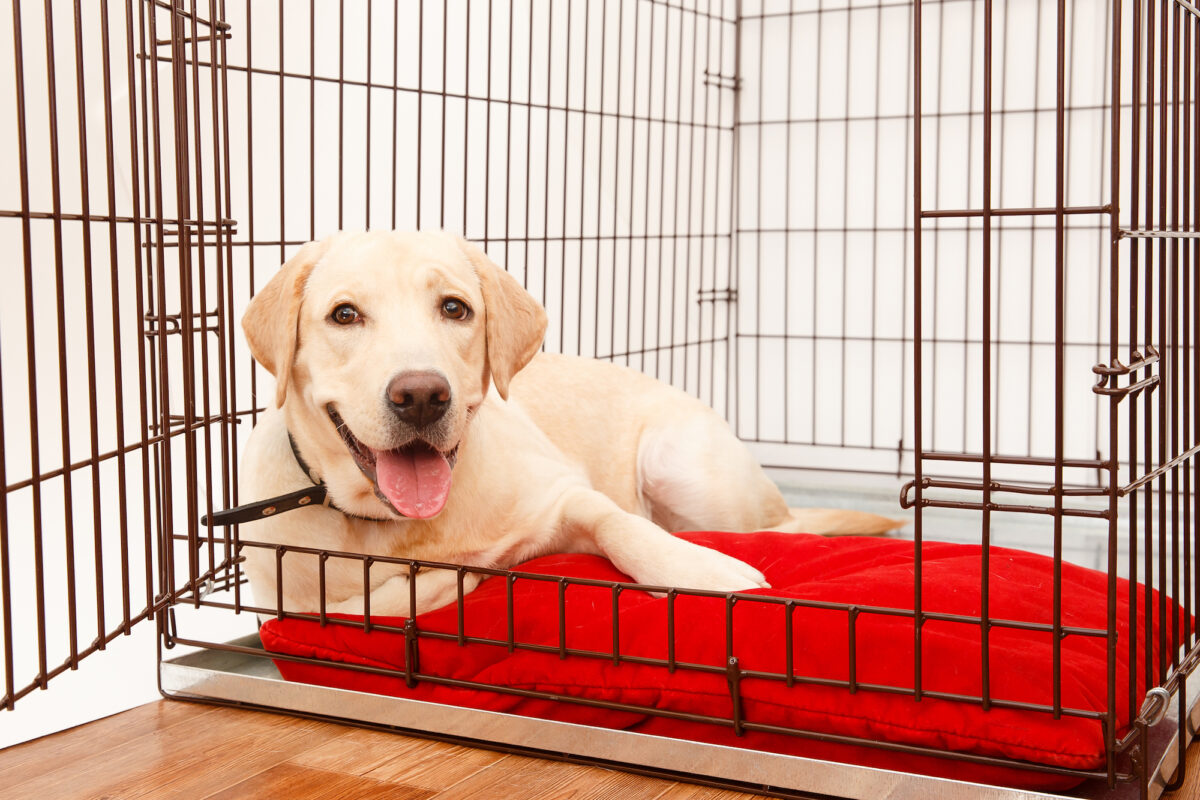
- Daily routine: Where does your pet sleep, and where does your pet stay when no one is home? Where are the leashes, collars, and poop bags? Is your pet crate-trained? Where is the cat carrier in case transport is needed?
- Cat behavior: How comfortable does your cat feel in the presence of unfamiliar people? Is there anything that makes your cat uncomfortable?
- Vet info: Provide a phone number and signed release allowing your pet sitter to seek treatment for your pet. If your pet sitter will be walking or taking your dog to a dog park, leave a copy of current vaccine records.
- Clean-up instructions: Where is the pooper scooper? The litter scoop? Where is fresh cat litter? Where do you dispose of waste?
The Other Stuff
- Your trip: Let your pet sitter know where you will be, especially if you are out of the country, and the day and approximate time you will return.
- Codes and passwords: Every security gate and house alarm system works just a bit differently. Leave instructions and the phone number of the alarm company.
- Phone numbers: Provide your cell number and that of a local contact person. If animals have to be evacuated, your pet sitter will need help and maybe a place to take them. During the 2003 California fires, I ended up with eleven birds, six dogs, a cat, and two horses at my house. They don’t all fit into one car.
- House info: Where are water and gas shutoffs? I once arrived at a house and water was pouring down the stairs into the living room. The shutoff valve was in the garage behind a metal shelving unit. The neighbor had to help me find it.
What a Veterinarian Will Want to Know
If your pet has to go to the veterinarian, your own vet is ideal. But that’s not always possible. In either situation, the vet will still ask certain questions:
- Has your pet sitter talked to you about the situation? You might think the current symptoms are perfectly normal.
- How long have you been gone? What are the symptoms of the problem? Has your pet been eating, drinking, and eliminating normally? Did it start as soon as you left or later?
- What kind of follow-up care can your pet sitter provide? Will your pet need extra visits?
- On the practical side, how will the vet be paid? Will you call in a credit card number, pay when you return home, or does the pet sitter have to front the money? Is there a dollar limit on the amount you will approve? Cell phones have made it much easier to get in touch with you while you travel, but even then, it may take time to get in touch. In an emergency, a pet sitter may need to make on-the-spot decisions.
- If the vet visit is the result of an accident, what happened? Will the pet sitter cover the cost? I have liability insurance that covers most situations if I’m at fault.
There’s a lot to think about when you are getting ready to travel. Plan ahead so you can be confident your pets are safe and happy while you are gone.
This article was reviewed/edited by board-certified veterinary behaviorist Dr. Kenneth Martin and/or veterinary technician specialist in behavior Debbie Martin, LVT.