Our pets rely on us to keep them safe — and that includes protecting them from foods and drinks that may be harmless to us but dangerous (even life-threatening) to them.
Some foods cause mild stomach upset, while others can trigger organ failure, seizures, or severe toxicity. If you ever suspect your pet has ingested something concerning, contact your veterinarian immediately or reach out to the ASPCA Animal Poison Control Center or Pet Poison Helpline.
Here are the most important foods and drinks pets should avoid — updated with current veterinary guidance.
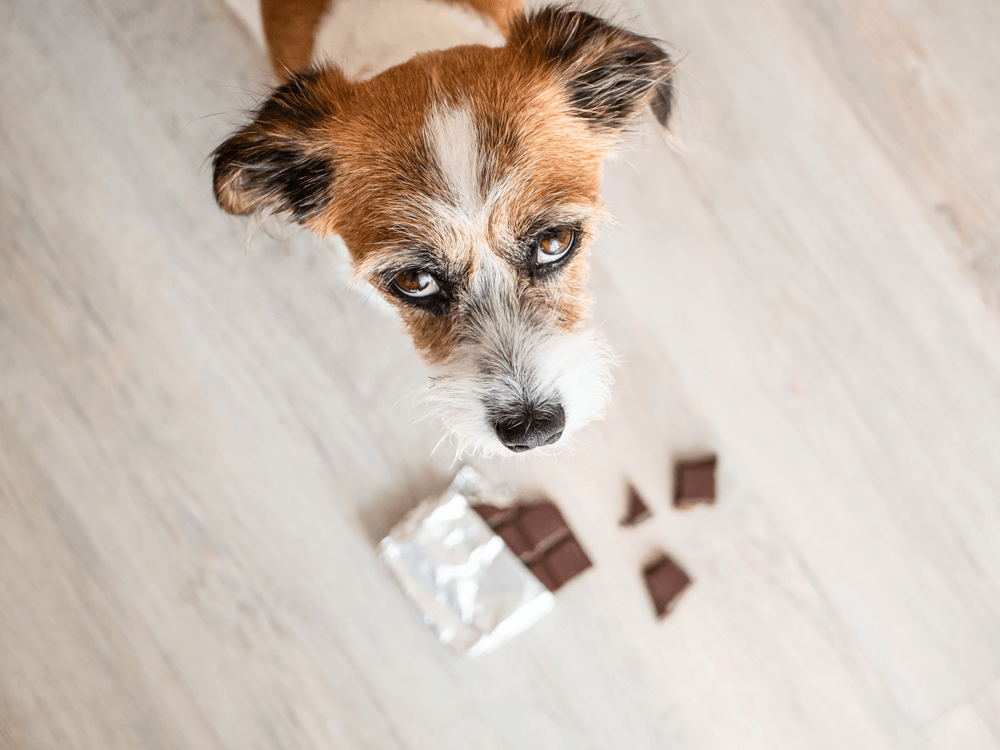
🚫 1. Chocolate:
Possible signs: vomiting, diarrhea, rapid heart rate, tremors, seizures.
Chocolate contains theobromine and caffeine, both of which are toxic to dogs (and potentially cats). Dark chocolate and baking chocolate are the most dangerous.
🚫 2. Caffeine (Coffee, Tea, Energy Drinks, Pills):
Caffeine is a stimulant that can affect the heart and nervous system. Even small amounts of coffee grounds or caffeine tablets can be dangerous.
Possible signs: restlessness, elevated heart rate, tremors, collapse.
🚫 3. Alcohol (and Raw Yeast Dough):
Alcohol depresses the central nervous system. Pets are far more sensitive than humans.
Raw bread dough is especially dangerous because yeast ferments in the stomach, producing alcohol and causing life-threatening bloat.
Possible signs: restlessness, elevated heart rate, tremors, collapse.
🚫 4. Xylitol (Birch Sugar):
Found in sugar-free gum, candy, baked goods, peanut butter, toothpaste, and some medications.
Xylitol causes a rapid insulin release in dogs, leading to severe hypoglycemia and potentially liver failure. Toxicity can occur within 30 minutes.
This is a true emergency.
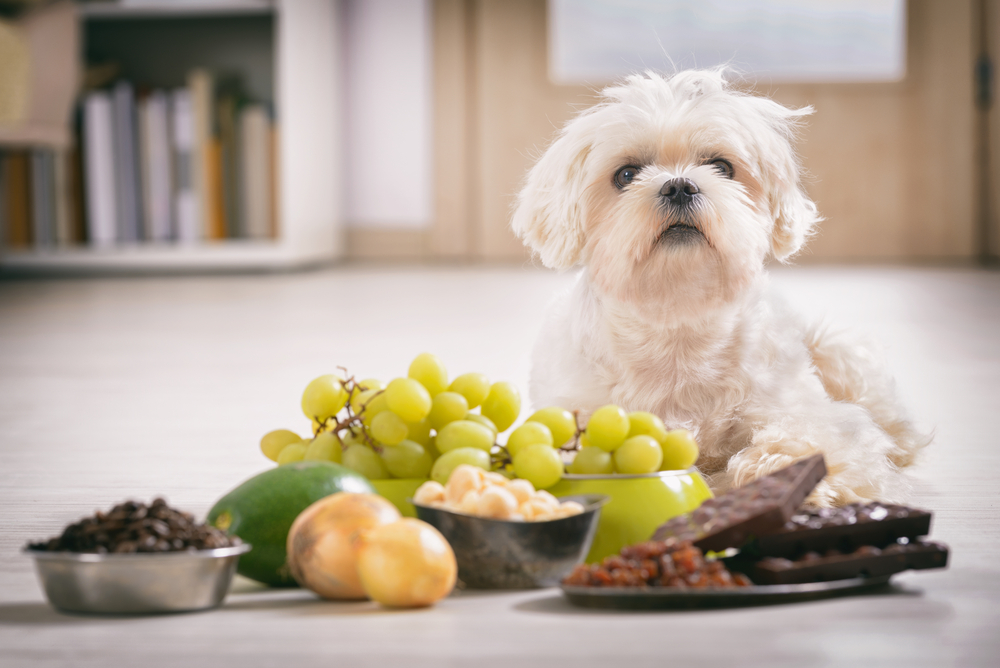
🚫 5. Grapes and Raisins:
Even small amounts can cause acute kidney failure in dogs. The toxic mechanism remains unclear, and sensitivity varies — making them especially dangerous.
There is no safe amount.
🚫 6. Onions, Garlic, Chives, Leeks (Allium Family):
These damage red blood cells and can cause anemia. Toxicity can occur with raw, cooked, powdered, or dehydrated forms. Cats are particularly sensitive.
Possible signs: lethargy, pale gums, weakness, elevated heart rate.
🚫 7. Macadamia Nuts:
Primarily toxic to dogs. Symptoms usually appear within 12 hours.
Possible signs: weakness (especially hind limbs), tremors, vomiting, fever.
🚫 8. Avocado (Mostly a Fat & Obstruction Risk):
The flesh of avocado is not highly toxic to dogs and cats, but:
- The pit poses a choking and intestinal obstruction risk.
- The fruit is very high in fat, which can trigger pancreatitis.
- Leaves and skin contain persin (more problematic in birds and livestock).
Best practice: avoid sharing.
🚫 9. Cooked Bones:
Not toxic in the chemical sense — but extremely dangerous.
Cooked bones splinter and can:
- Lacerate the mouth or GI tract
- Cause intestinal obstruction
- Lead to life-threatening perforation
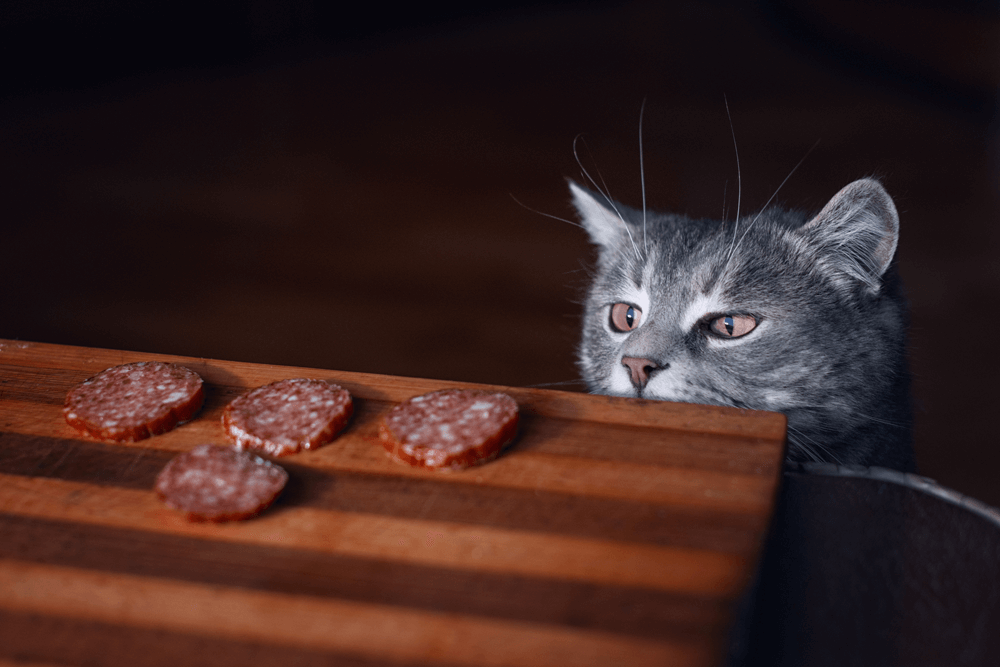
🚫 10. Fatty, Greasy, or Fried Foods:
High-fat foods (bacon, sausage, drippings, rich table scraps) can trigger pancreatitis — a painful and potentially serious inflammatory condition.
🚫 11. Certain Mushrooms:
Store-bought mushrooms are generally safe, but wild mushrooms can be highly toxic and may cause liver failure, neurologic signs, or death.
If your dog eats a wild mushroom, treat it as an emergency.
🚫 12. Hops (Home Brewing Ingredient):
Hops can cause malignant hyperthermia in dogs — a rapid and dangerous rise in body temperature.
Brewing supplies should always be kept securely stored.
🚫 13. Nicotine & Vaping Products:
Cigarettes, chewing tobacco, nicotine gum, patches, and vape cartridges are highly toxic. Even small exposures can be life-threatening.
Possible signs: vomiting, agitation, elevated heart rate, seizures.
⚠️ 14. Stone Fruits (Peaches, Apricots, Cherries):
The flesh of peaches or apricots is generally safe in small amounts for dogs.
However:
- Pits contain cyanogenic compounds (cyanide precursors).
- Pits can cause intestinal obstruction.
- Stems and leaves are toxic.
Cats should not be offered fruit.
⚠️ 15. Salt and Salty Snacks:
Large amounts of salt (chips, pretzels, salted nuts) can cause sodium ion poisoning.
Possible signs: vomiting, tremors, seizures.
A Quick Word on Cats 🐈
Cats are obligate carnivores and metabolize many foods differently than dogs. Foods that may cause mild upset in dogs can be more problematic in cats. When in doubt, avoid sharing human food altogether.
When to Seek Help
Contact your veterinarian immediately if your pet shows:
- Vomiting or diarrhea
- Tremors or seizures
- Weakness or collapse
- Pale gums
- Rapid heart rate
- Behavioral changes
For 24/7 assistance, contact your veterinarian or a pet poison hotline